How search engine optimisation will evolve in the coming years and what businesses need to know to stay ahead
As we approach the mid-2020s, the landscape of search engine optimisation (SEO) continues to evolve at a breathtaking pace. What began as simple keyword stuffing and meta tag optimisation has transformed into a sophisticated discipline that intersects with user experience, artificial intelligence, and even voice technology. In this comprehensive exploration, we’ll examine the key trends shaping SEO’s future and provide actionable insights for businesses preparing for the search landscape of 2026 and beyond.
The Rise of AI-Powered Search Algorithms
Google’s continued investment in artificial intelligence has fundamentally changed how search results are generated and ranked. With the implementation of MUM (Multitask Unified Model) and other advanced AI systems, search engines are becoming increasingly adept at understanding context, nuance, and user intent.

AI and machine learning are revolutionising how search engines understand and rank content
This evolution means that traditional SEO tactics will become less effective, while high-quality, comprehensive content that genuinely addresses user questions will be rewarded. According to a recent analysis by Search Engine Journal, Google’s MUM algorithm is 1,000 times more powerful than its predecessor BERT, enabling it to understand complex queries across multiple languages and media types.
Implications for Content Strategy
With AI’s growing sophistication, content creators must focus on:
- Creating comprehensive, pillar-style content that covers topics in depth
- Addressing related questions and subtopics within main content pieces
- Optimising for semantic search and natural language queries
- Incorporating multiple media types (text, video, images) to provide complete answers
Pro Tip: One effective SEO hack for the AI era is to analyse the “People also ask” section in search results and create content that comprehensively addresses those related queries within your main content piece.
Voice Search and Conversational SEO
The proliferation of smart speakers and voice assistants has made voice search optimisation increasingly critical. By 2026, it’s estimated that voice-based searches will account for over 50% of all online queries.
Voice search differs significantly from text-based queries in several key ways:
- Queries tend to be longer and more conversational
- Questions often begin with “who,” “what,” “where,” “when,” “why,” or “how”
- Local intent is frequently implied (“near me”)
- Users expect direct, concise answers to their questions
Optimising for Voice Search
To capitalise on the voice search revolution, businesses should:
- Create content that answers specific questions concisely
- Optimise for featured snippets, which are often read aloud by voice assistants
- Focus on local SEO, as many voice searches have local intent
- Ensure your business information is consistent across all online directories
This represents a significant shift from traditional keyword targeting and requires a more natural, conversational approach to content creation. For businesses focusing on SEO in Sydney or SEO in Brisbane, local voice search optimisation presents a tremendous opportunity to capture nearby customers.
E-A-T and Author Authority
Google’s emphasis on E-A-T (Expertise, Authoritativeness, Trustworthiness) will only intensify in the coming years. The search giant’s “Helpful Content Update” made it clear that they’re prioritising content created by genuine experts for the benefit of users, rather than content designed primarily to rank well.
Demonstrating author expertise is becoming increasingly important for SEO success
To establish E-A-T, businesses should:
- Showcase author credentials and expertise prominently
- Cite authoritative sources and reference materials
- Maintain transparency about business practices and values
- Secure backlinks from reputable, authoritative websites
“The most effective SEO hack for establishing E-A-T is to have your content cited by authoritative sources in your industry. This creates a virtuous cycle where Google recognises your authority, leading to better rankings and more citations.”
Visual and Video Search Optimisation
As visual search technologies like Google Lens continue to improve, optimising images and videos for search will become increasingly important. By 2026, we can expect visual search to be a significant driver of traffic for many businesses.
Key Strategies for Visual SEO
To prepare for the visual search revolution:
- Use descriptive file names and alt text for all images
- Implement structured data (Schema.org) for images and videos
- Optimise image loading speed and use modern formats like WebP
- Create video content that addresses common customer questions
- Transcribe video content to make it accessible to search engines
According to Ahrefs’ comprehensive guide to image SEO, images can drive significant organic traffic when properly optimised, yet they remain an underutilised asset for many websites.
Visual SEO Hack: One powerful but often overlooked SEO hack is to create custom infographics that summarise key points from your content. These are highly shareable and can earn valuable backlinks while also ranking in image search results.
Core Web Vitals and User Experience
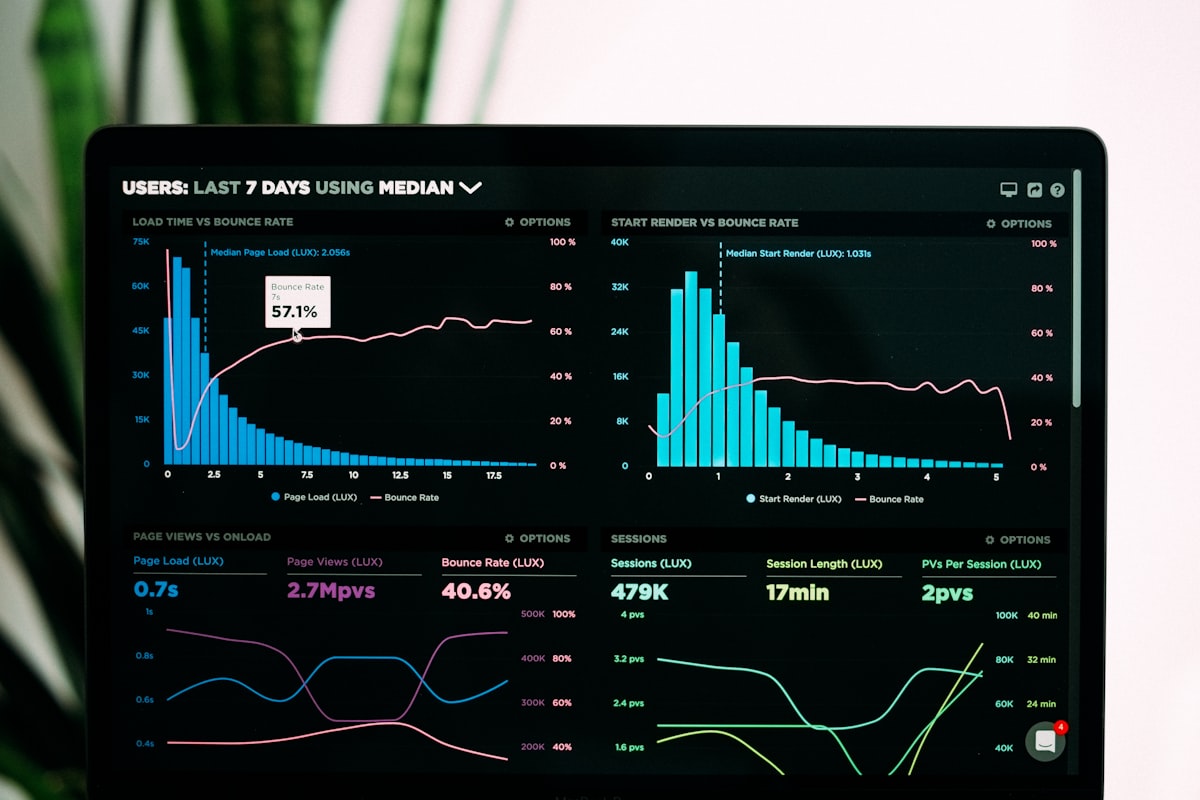
Google’s Core Web Vitals have made user experience metrics an official ranking factor. By 2026, we can expect these metrics to become even more sophisticated, potentially incorporating additional user interaction signals.
The current Core Web Vitals focus on three main areas:
- Loading Performance (LCP): How quickly the main content of a page loads
- Interactivity (FID): How quickly the page responds to user input
- Visual Stability (CLS): How stable the page layout is during loading
Businesses that neglect these user experience metrics will find it increasingly difficult to rank well, regardless of their content quality. This is particularly relevant for competitive markets like SEO in Brisbane and SEO in Sydney, where technical excellence can provide a competitive edge.
Local SEO Evolution
Local search is undergoing its own transformation, with Google Business Profile becoming an increasingly sophisticated platform. By 2026, we can expect even more integration between local search results and other Google services.

Local SEO is becoming increasingly important for brick-and-mortar businesses
Key trends in local SEO include:
- Increased prominence of local service ads
- More integration of user-generated content (reviews, photos)
- Greater emphasis on proximity and relevance signals
- Expansion of local inventory ads for retailers
For businesses operating in specific geographic areas, focusing on local SEO provides a targeted approach to reaching potential customers. Whether you’re specialising in SEO in Sydney for the competitive metropolitan market or SEO in Brisbane for Queensland-based businesses, understanding these local trends is essential.
The Zero-Click Search Phenomenon
Zero-click searches—queries that are answered directly on the search results page without requiring a click-through to a website—are becoming increasingly common. Featured snippets, knowledge panels, and other SERP features mean that users can often find the information they need without visiting a website.
While this might seem concerning for website owners, it actually presents new opportunities:
- Featured snippets position your brand as an authority
- Even without a click, brand exposure increases
- Zero-click searches can still lead to brand searches and direct traffic later
- Optimising for these features can secure valuable real estate on the SERP
SERP Feature Hack: One clever SEO hack for capitalising on zero-click searches is to create content specifically designed to earn featured snippets. Structure your content with clear, concise answers to common questions, using bullet points, numbered lists, and tables where appropriate.
Preparing for the Future of SEO
As we look toward 2026 and beyond, several key principles will guide successful SEO strategies:
1. Prioritise User Experience
Google’s evolution consistently moves toward better understanding and rewarding positive user experiences. Websites that are fast, intuitive, and genuinely helpful will have a distinct advantage.
2. Embrace Multimedia Content
The search results of the future will be increasingly multimodal, incorporating text, images, video, and interactive elements. Businesses that diversify their content formats will be better positioned to capture attention.
3. Build Genuine Authority
Shortcuts and black-hat techniques will become increasingly ineffective. Focus on building real expertise, earning quality backlinks, and creating content that establishes your brand as a trusted resource.
4. Adapt to New Technologies
Stay informed about emerging technologies like AI, voice search, and visual search, and be prepared to adapt your strategy as these technologies mature.
“The most sustainable SEO hack is to consistently create genuinely helpful content that addresses real user needs. While tactics and algorithms change, the fundamental principle of providing value remains constant.”
As the digital landscape continues to evolve, businesses that approach SEO as an ongoing commitment to understanding and serving their audience will be best positioned for long-term success. Whether you’re focusing on SEO in Brisbane, SEO in Sydney, or any other market, the principles of user-centricity, quality, and adaptability will remain paramount.
Ready to Future-Proof Your SEO Strategy?
Don’t get left behind in the rapidly evolving world of search. Our team of experts can help you develop a forward-thinking SEO strategy that prepares your business for the changes coming in 2026 and beyond.
Get Your Free SEO Consultation Top SEO Ph
Leave a comment